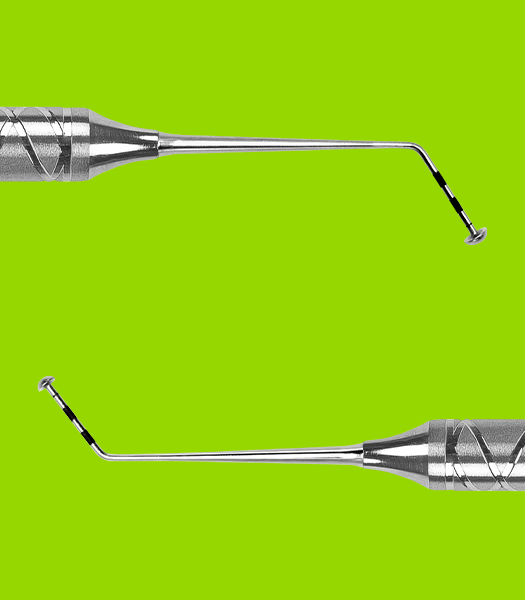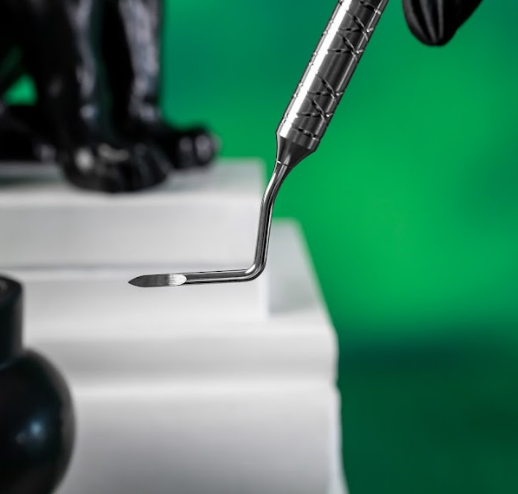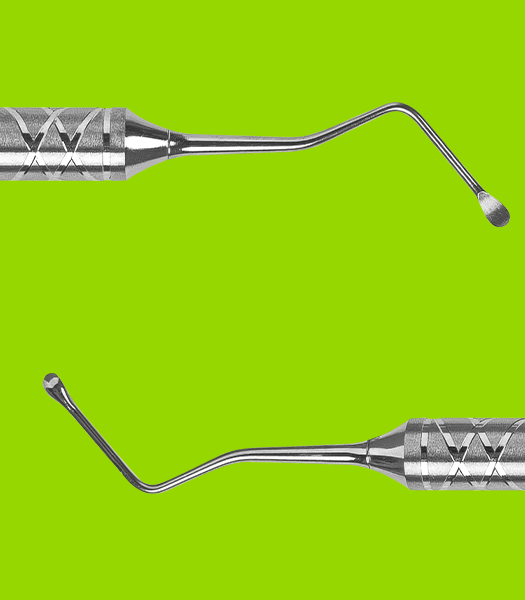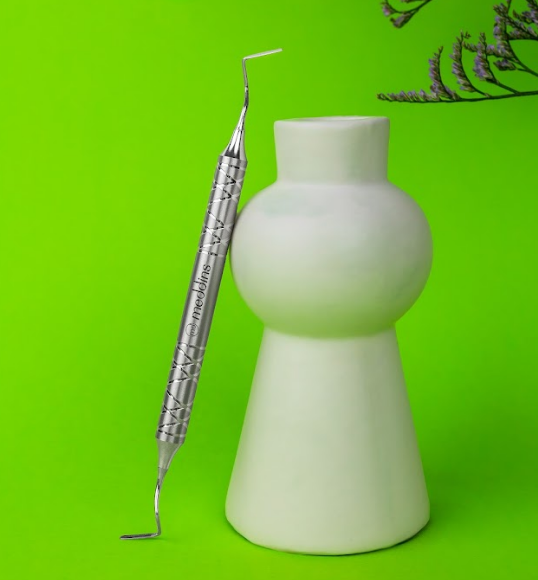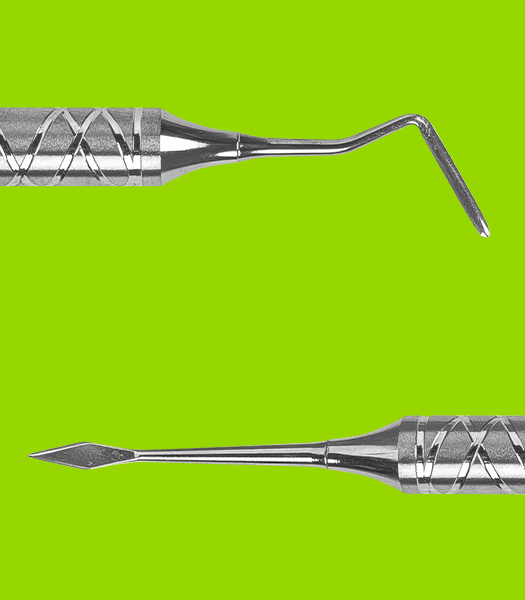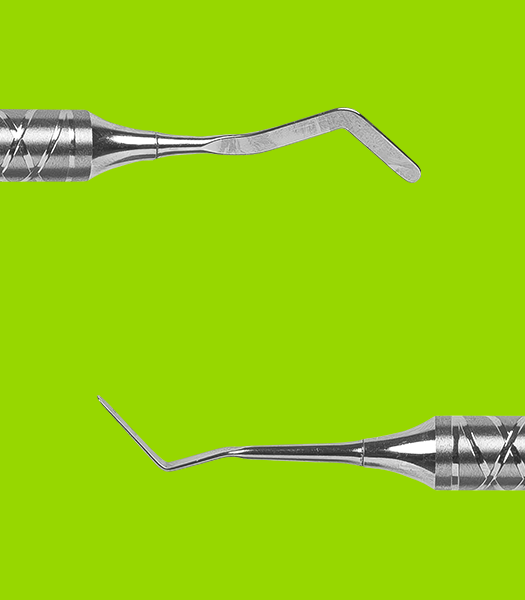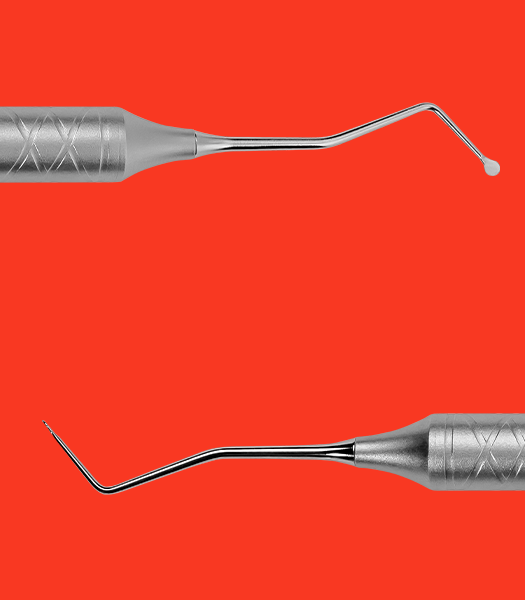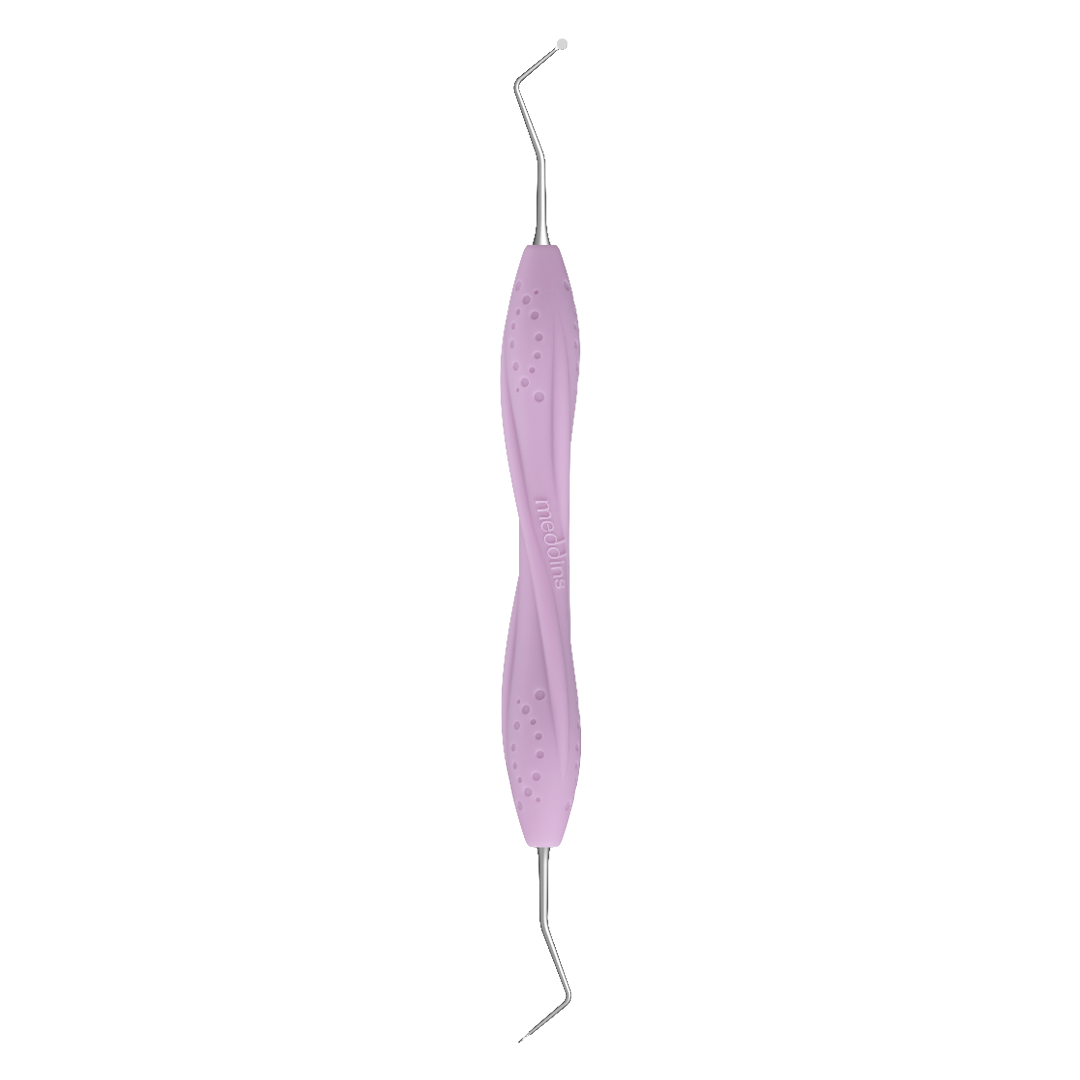
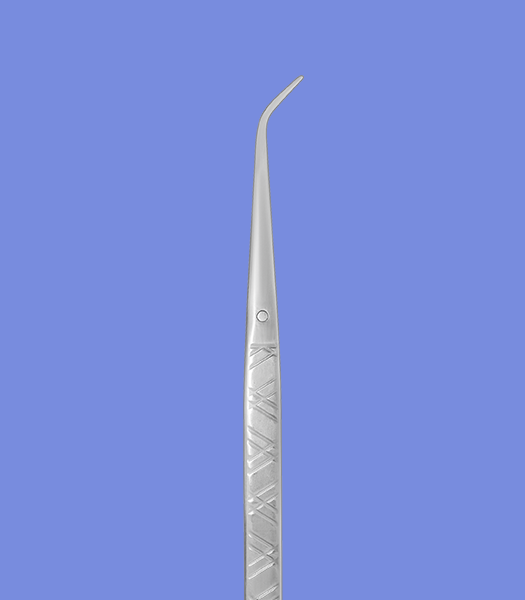
Dental Dressing Tweezers
Dental Mirror Handle
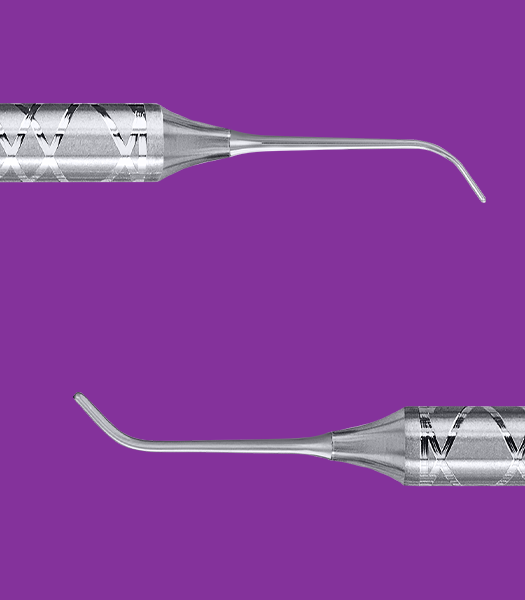
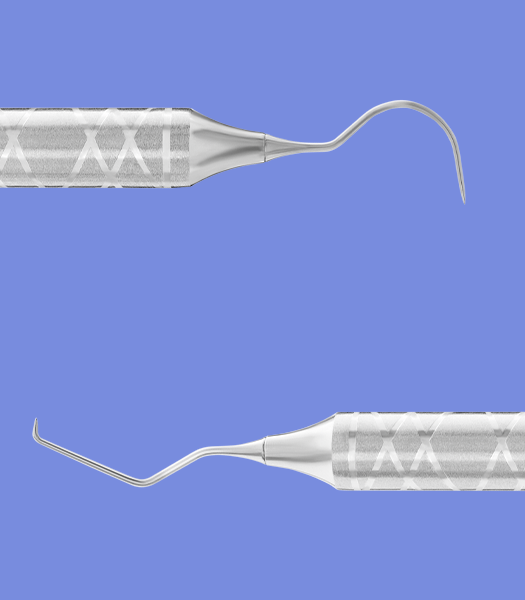
Explorers
Explorers
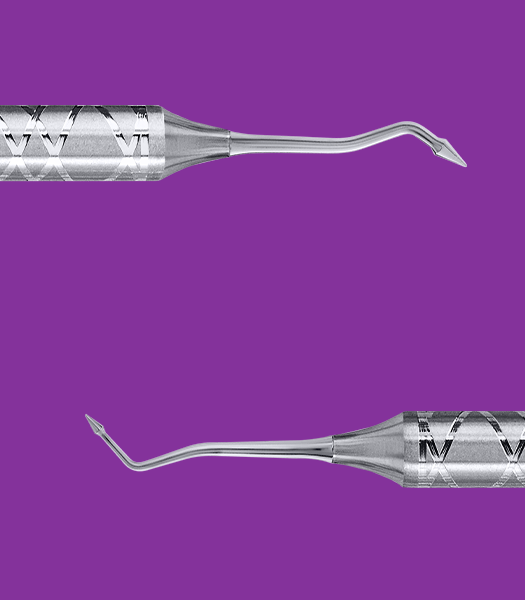
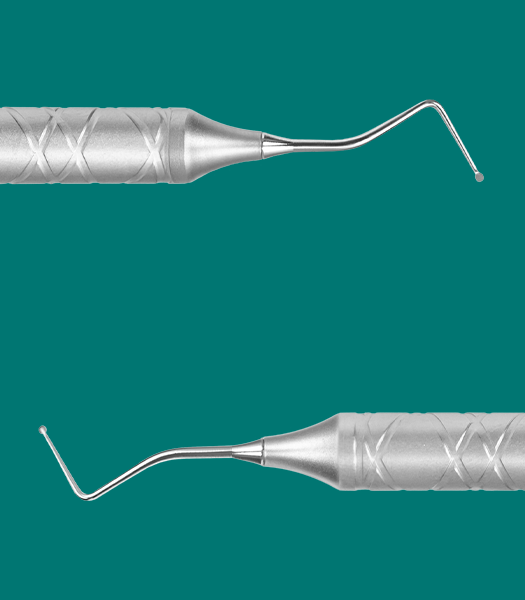
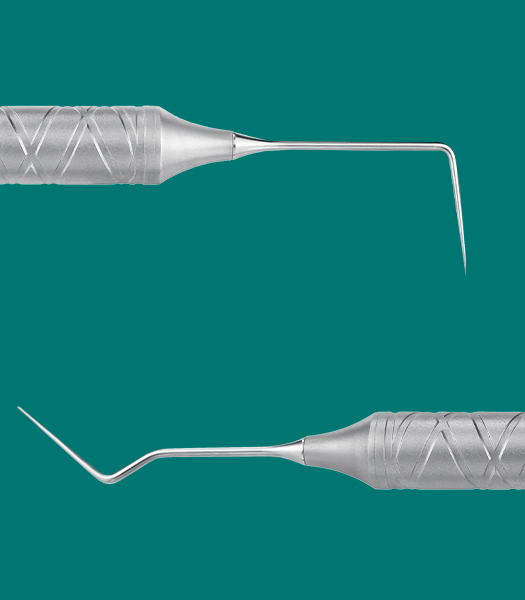
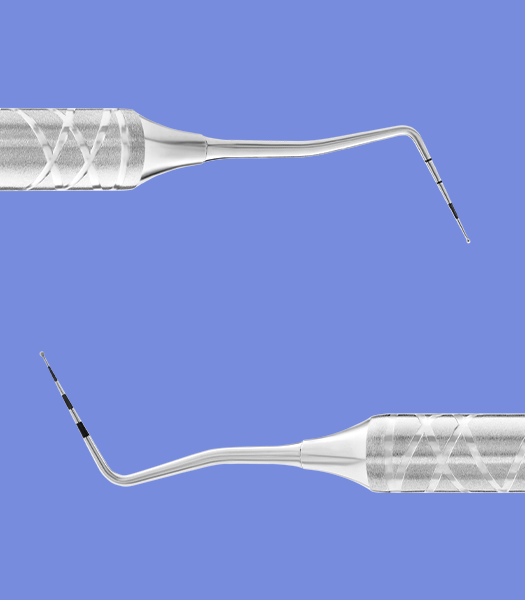
Periodontal Probes
Periodontal Probes
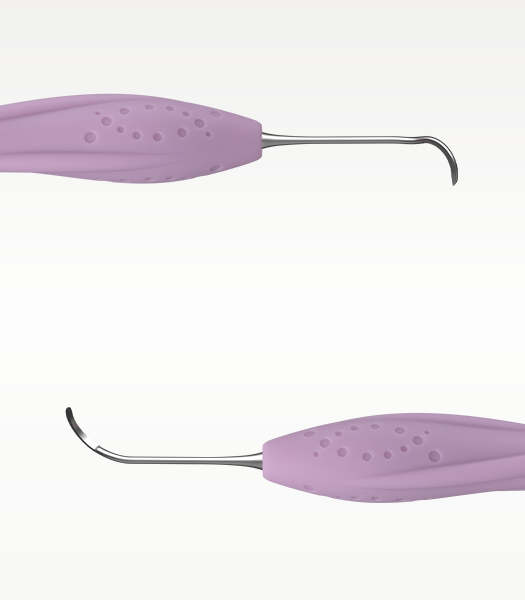
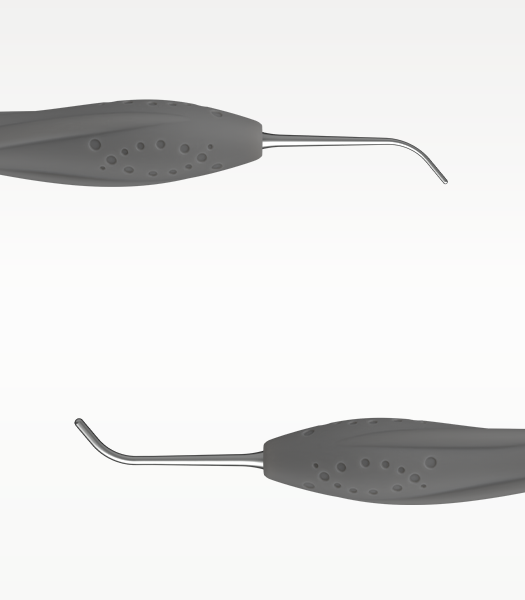
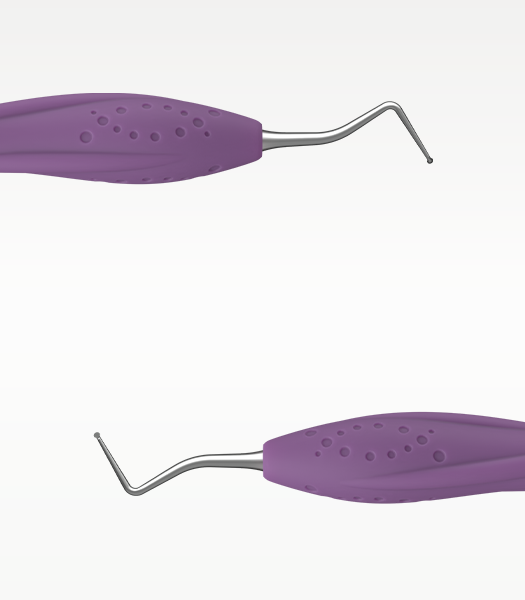
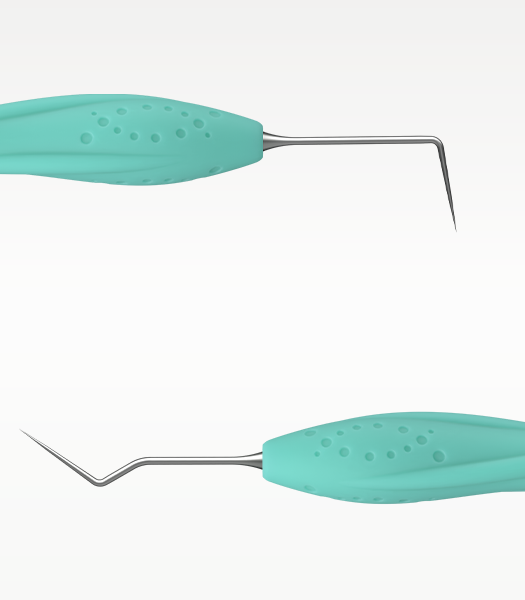
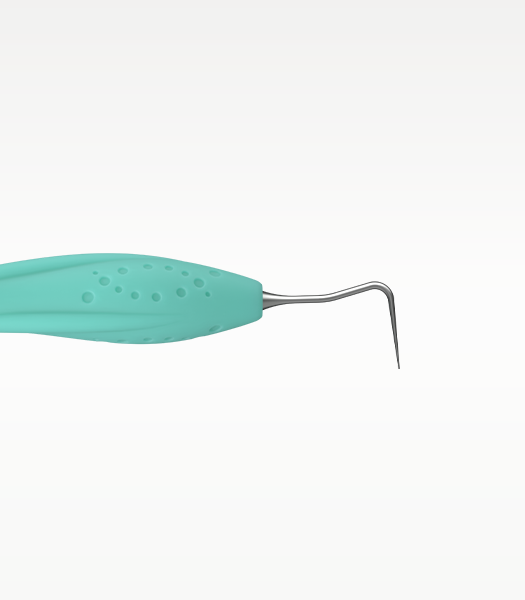
Probes with silicone handles
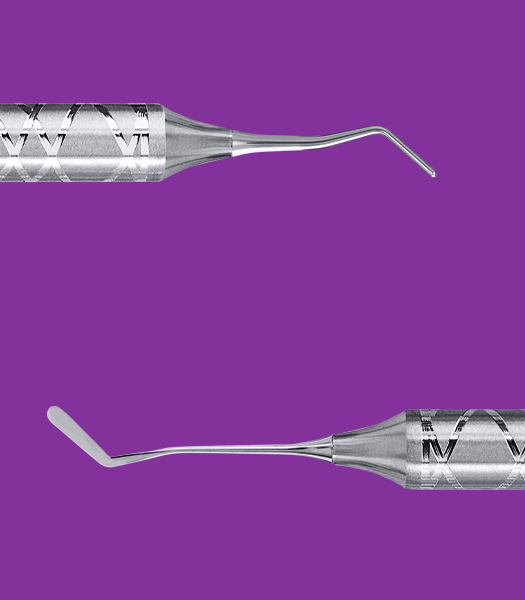
Composite Modelling Instruments
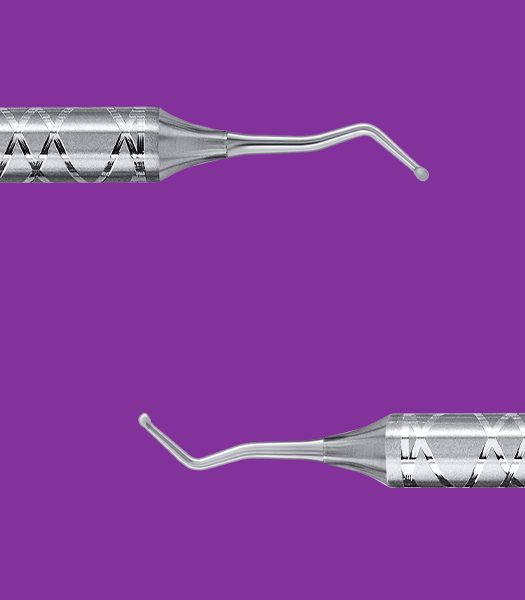
Dental Excavators
Dental Excavators
Dental Pluggers
Dental Pluggers
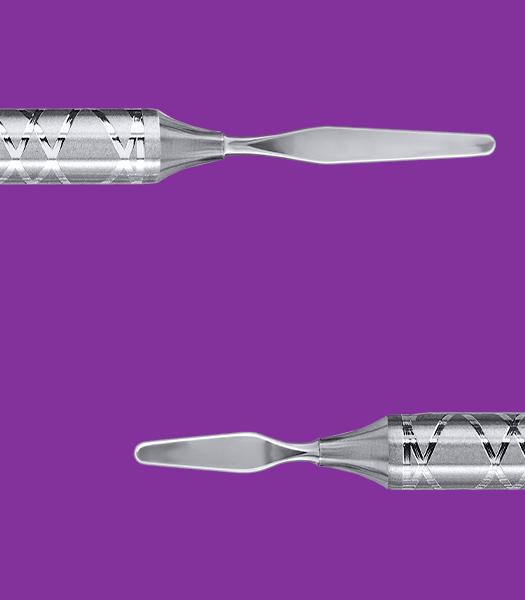
Dental Spatula
Dental Spatula
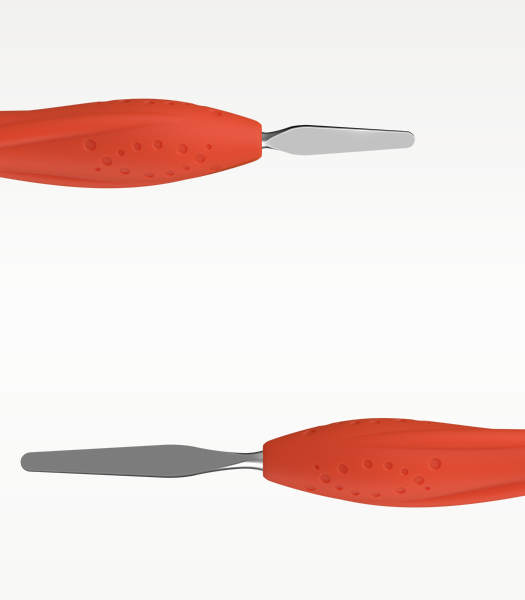
Dental Spatula with a silicone handle
Excavators with silicone handles
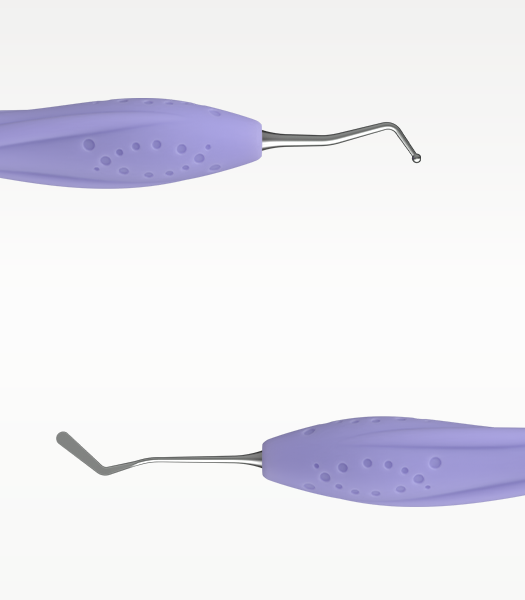
Modelling instruments with silicone handles
Modelling Spatula-Pluggers
Modelling Spatula–Plugger with a silicone handle
Modelling Spatulas
Modelling Spatulas
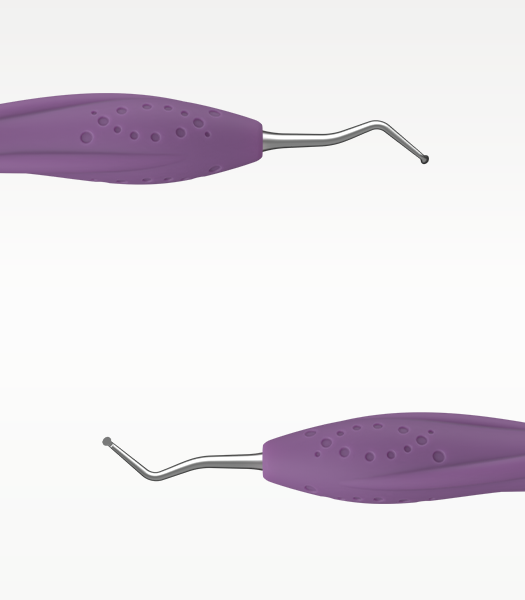
Pluggers with silicone handles
Spatula with a silicone handle
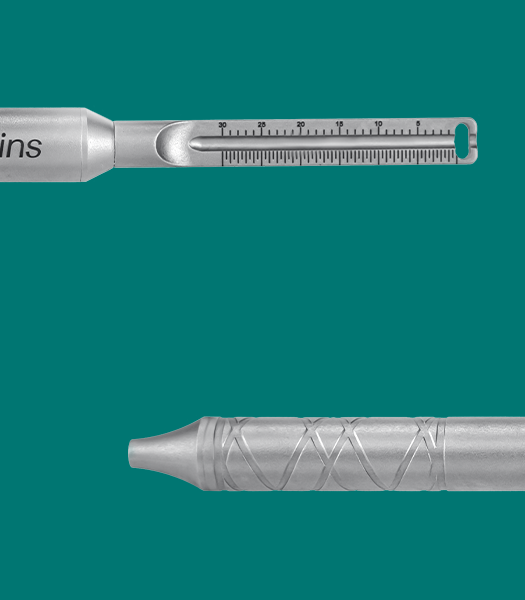
Dental Mirror Handle with Ruler
Endo Excavator
Endo Excavator
Endo Excavators with a silicone handle
Endo Explorer
Endo Explorer
Endo Explorer with Silicone Handle
Endo Kit
Endo Kit
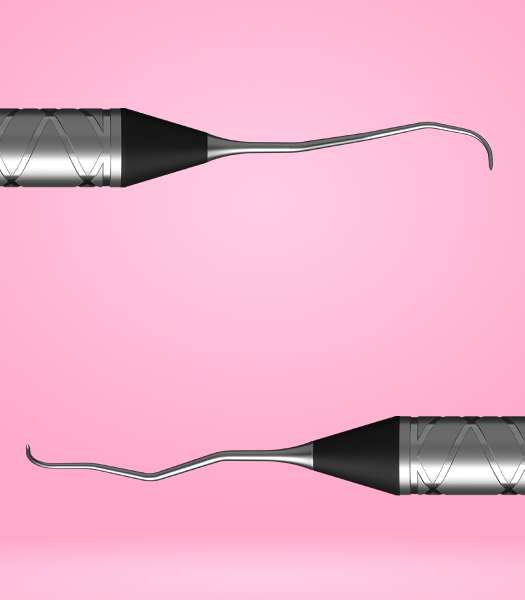
Curettes
Curettes
Periodontal Knifes
Periodontal Knifes
Periosteal Elevators
Periotomes
Periotomes
Root Elevators
Root Elevators
Sinus Lift Instruments
Packers
Packers
Explorers
Explorers
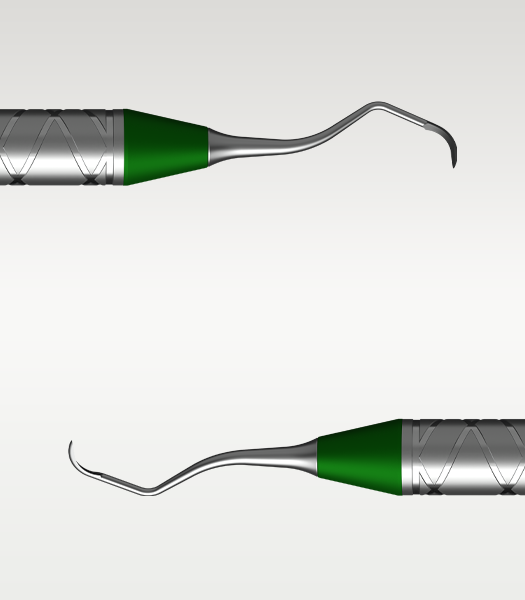
Gracey Curettes
Gracey Curettes
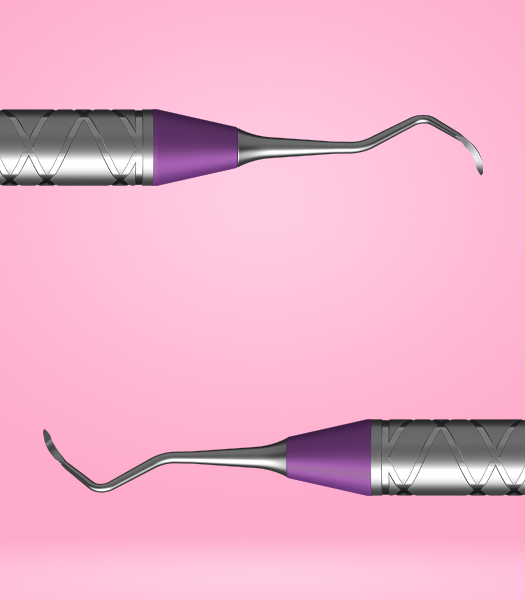
Scalers
Scalers
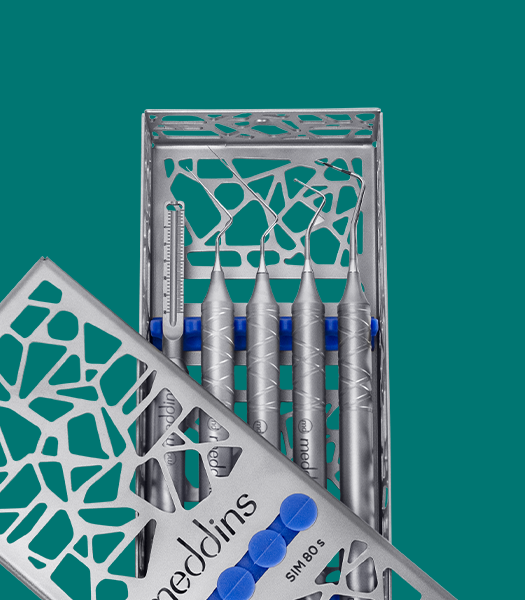
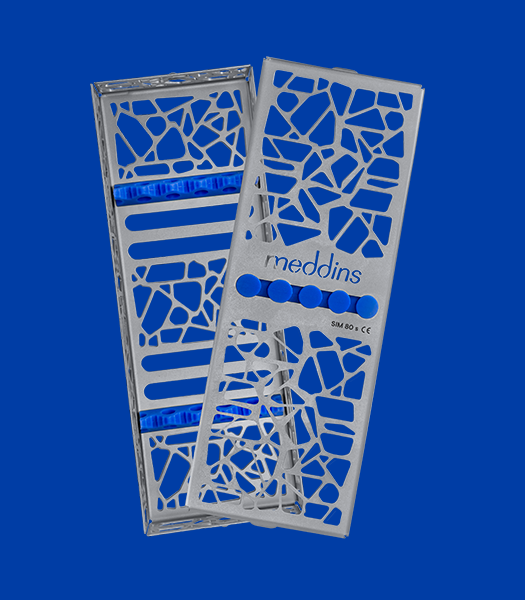
Cassettes
Cassettes
Trays
Trays

Sterilization

Support Ukraine with Meddins. Learn more…

  1. Sterilization

Sterilization of
dental
instruments:
Step by step

This document is a short instruction for quick review. For more detailed information, we recommend that you refer to the full version of the instructions.

Download the full version

1
Delivery and checking:
  • The instruments are delivered “non-sterile”: thoroughly wash, rinse and sterilize them before use.
  • Check for cleanliness and materials. Instruments with corrosion stains must not be used.
  • Return defective instruments to the manufacturer.
2
Pre-sterilization cleaning:
  • It is carried out in specially equipped places.
  • After use, the instruments are disinfected with appropriate solutions, following the instructions for concentration, duration, and temperature.
  • Avoid solutions with NaCl, as they cause corrosion.
  • Change the cleaning solutions daily.
  • Do not wash instruments made of different metals together.
  • Keep the instruments open during cleaning.
  • Avoid overloading the trays with instruments.
  • Temperature for the final rinse: 80-90°C, use demineralized water.
  • The instruments must be dry before packing.
3
Sterilization:
  • Autoclave sterilization:
    a. Do not exceed 177°C. Steam sterilize for at least 4 minutes at 132°C or for 30 minutes at 121°C. A 30-minute
    drying time is recommended after the sterilization cycle.

    b. The control tape on the package should change color.
  • Dry heat sterilization:
    a. Over 177°C reduces the strength of the instruments and can cause darkening and corrosion.
4
Storage
  • Store sterile instruments in a dry, clean place at 5-40°C, away from chemicals.
5
Use and preparation::
  • Clean the instruments immediately after use (within 30 minutes), remove coarse dirt, and place them in a disinfectant bath.
6
Disinfection:
  • Manual disinfection:
    a. Use a combination of detergent and disinfectant, and follow the correct concentration, exposure time, and temperature.
  • Ultrasonic disinfection:
    a. The minimum cleaning time is 16 minutes. Use an enzymatic cleaner with a neutral pH, rinse thoroughly with demineralized water.
  • Mechanical/automatic cleaner:
    a. Use products with a neutral pH, follow the manufacturer’s instructions.
  • Thermal disinfectant:
    a. Use products with a neutral pH, follow the manufacturer’s instructions.
7
Drying and checking:
  • The instruments should be dry, check for cleanliness and materials. If the instruments are dirty, repeat the cleaning process.
!

Warning!
Do not use the following chemicals on stainless steel instruments:

Activated perchloric acid / chlorine dioxide, Barium chloride, Calcium chloride, Chlorinated lime, Dakin’s solution, Lysol, Mercury salts, Potassium permanganate, Sodium hypochlorite, Tartaric acid, Iron chloride, Hydrochloric acid, Aluminium chloride, Carbolic acid, Citric acid, Iron chloride, Mercury chloride, Phenol, Potassium thiocyanate, Tin chloride, Sulphuric acid Iodine.